
Industrial Cleaning
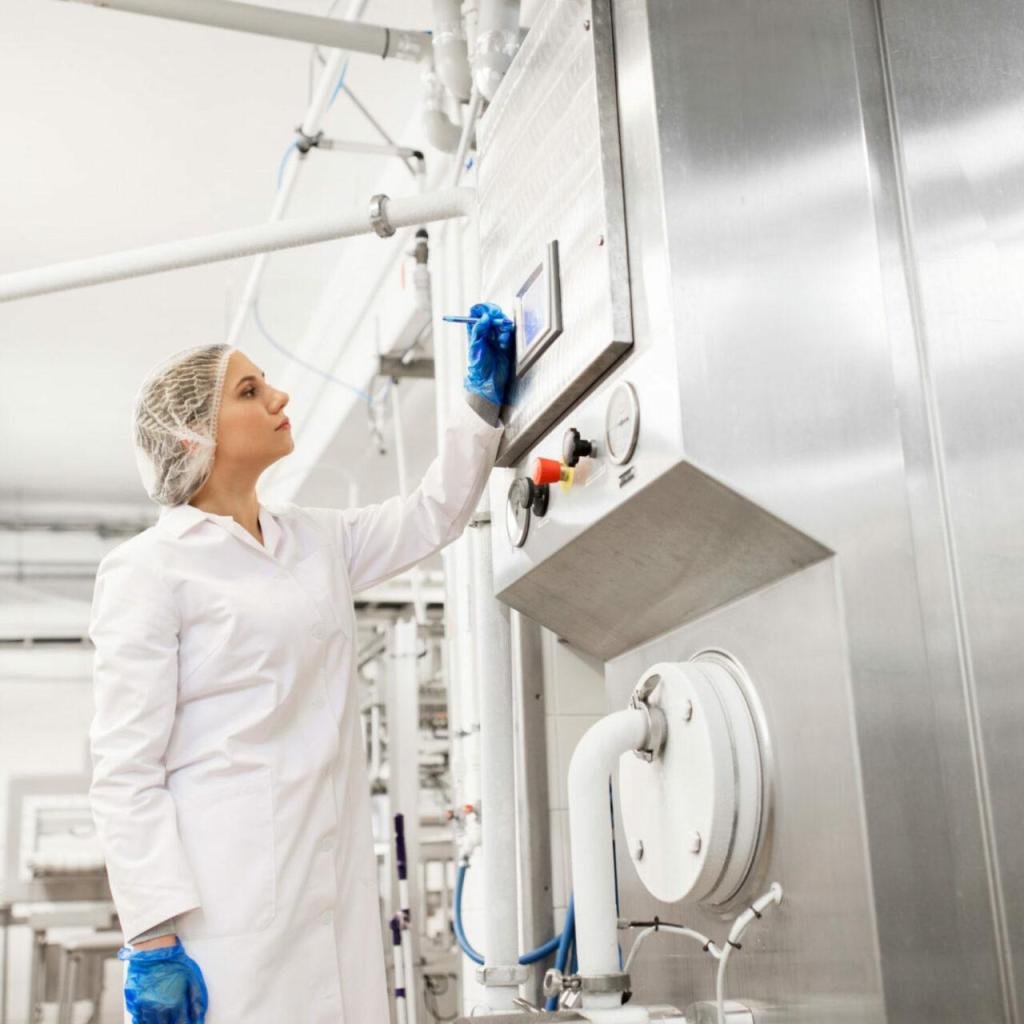

Use of enzymes for industrial cleaning supports sustainability but can be a challenge
Knowing The Enzyme Activity Enables Better Control Of Your Processes
Inadequate enzyme activity during- and residual enzyme activity after the cleaning process may impact product quality and performance of your industrial equipment
Residual enzyme activity after cleaning may impact product quality.
Inadequate cleaning of your production equipment both impacts performance and product safety.
Common enzyme cleaning practices lead to increased waste and resource usage.
Lost reputation due to quality issues.
Knowing your enzyme activity of your recycled cleaning solution facilitates proper cleaning of your equipment and optimal use of enzymes.
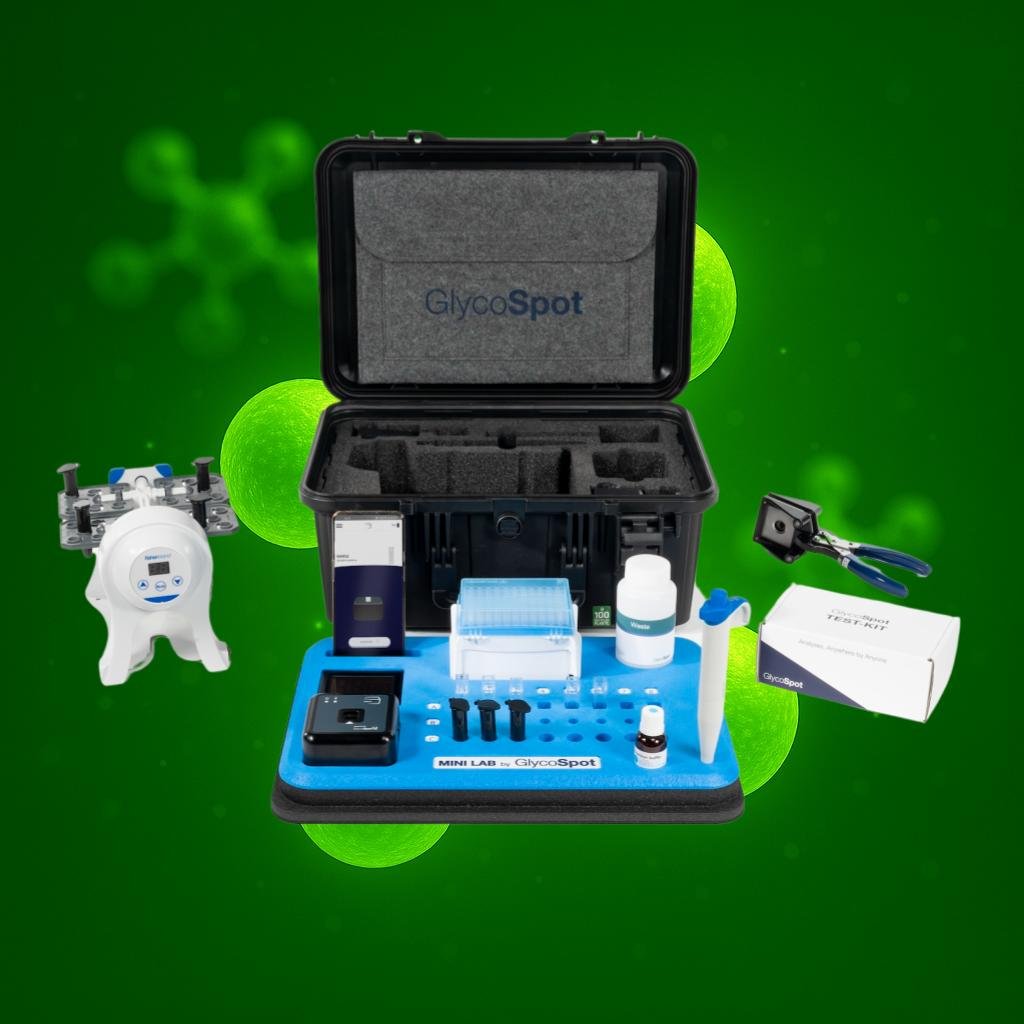
Verify Your Cleaning Process in minutes
Fast At-Line Enzyme activity measurements can facilitate immediate actions
Inadequate enzyme activity during- and residual enzyme activity after cleaning processes may impact product quality and performance of your industrial equipment.
Fast At-Line Enzyme activity measurements gives you control points to facilitate immediate actions.
The GlycoSpot MINI-LAB enables you to measure enzyme activity at-line providing actionable results in minutes.
By providing production teams with data‑driven verification of proper enzyme deactivation or removal, you give them peace of mind that the cleaning process has been correctly performed. This ensures they can safely begin the next production run without the risk of contamination or residual cleaning enzymes in the final product.
At-line enzyme activity measurements and data of your recycled cleaning solution enables correct dosage of enzymes during cleaning. This also provides clear action points for when your enzyme cleaning solution needs replenishment.
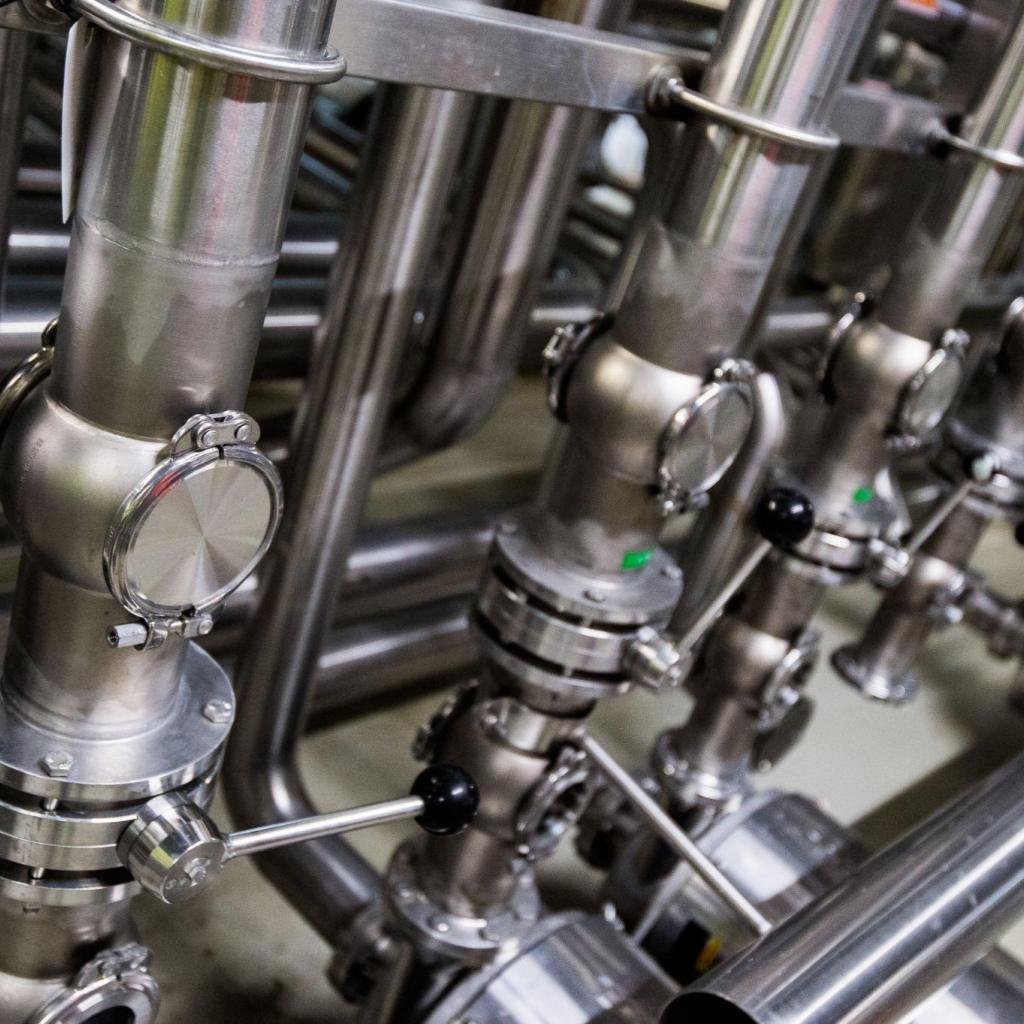
CIP CLEANING USING ENZYMES
Key Benefits
Optimized Cleaning Performance: Ensures detergents and enzymes are at the right levels for complete residue removal.
Cost Efficiency by using less water and energy.
Equipment Protection.
Enhanced Food Safety.

TEXTILE
In the textile industry, enzymes are used for fabric finishing, softening, and denim washing. Precise enzyme monitoring guarantees uniform quality, protects delicate fibers, and reduces chemical usage.
Key Benefits of controlling enzyme activity
Reduced Waste: Minimizes chemical and water consumption through precise dosing.
Fiber Protection: Avoids over-processing and damage to delicate materials.
Process Efficiency: Improves production speed and reduces rework by getting enzyme activity control points
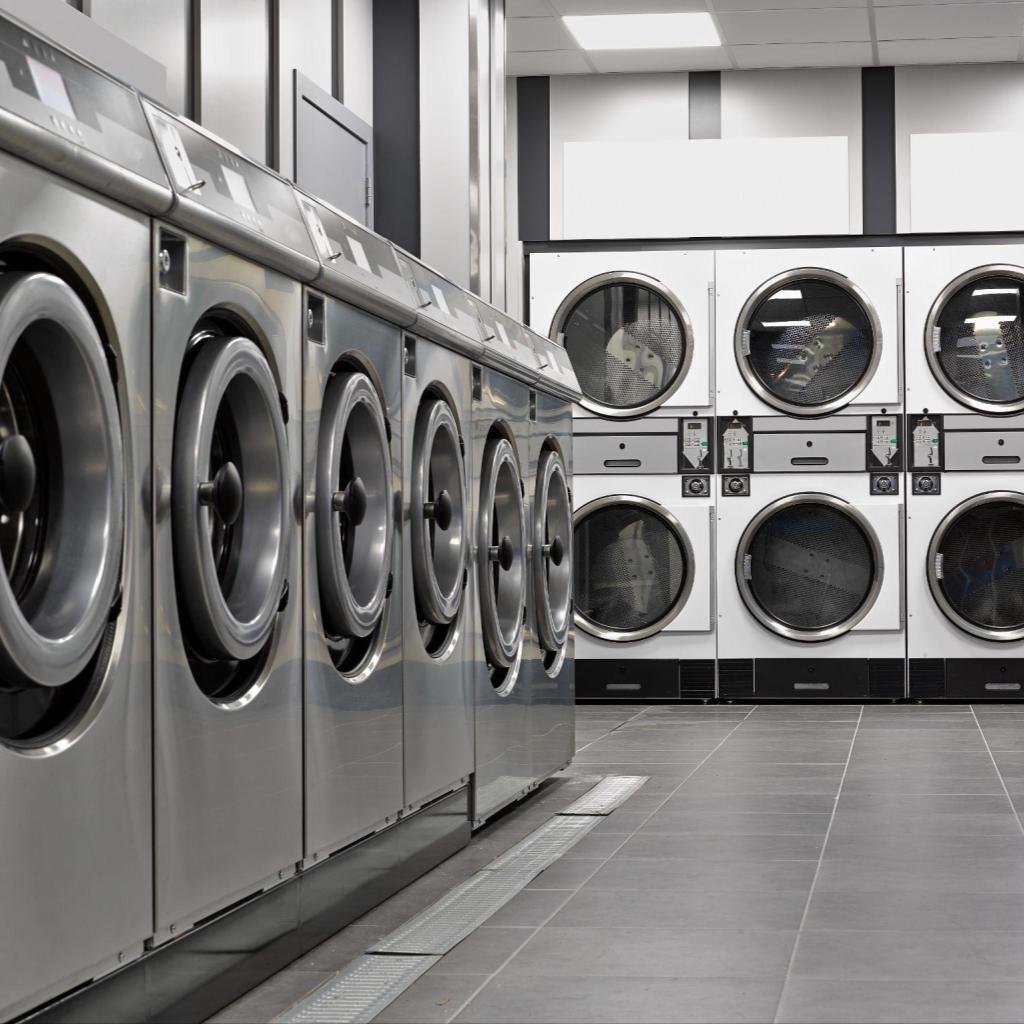
COMMERCIAL LAUNDRY
Key Benefits of getting enzyme activity control parameters ensures:
Effective Stain Removal: Delivers consistent, high-quality cleaning performance.
Energy & Water Savings: Optimizes cycles for lower resource use.
Fabric Longevity: Protects textiles from unnecessary wear.
Operational Efficiency: Reduces detergent overuse and improves throughput.