
Animal Feed and Bio-Solutions
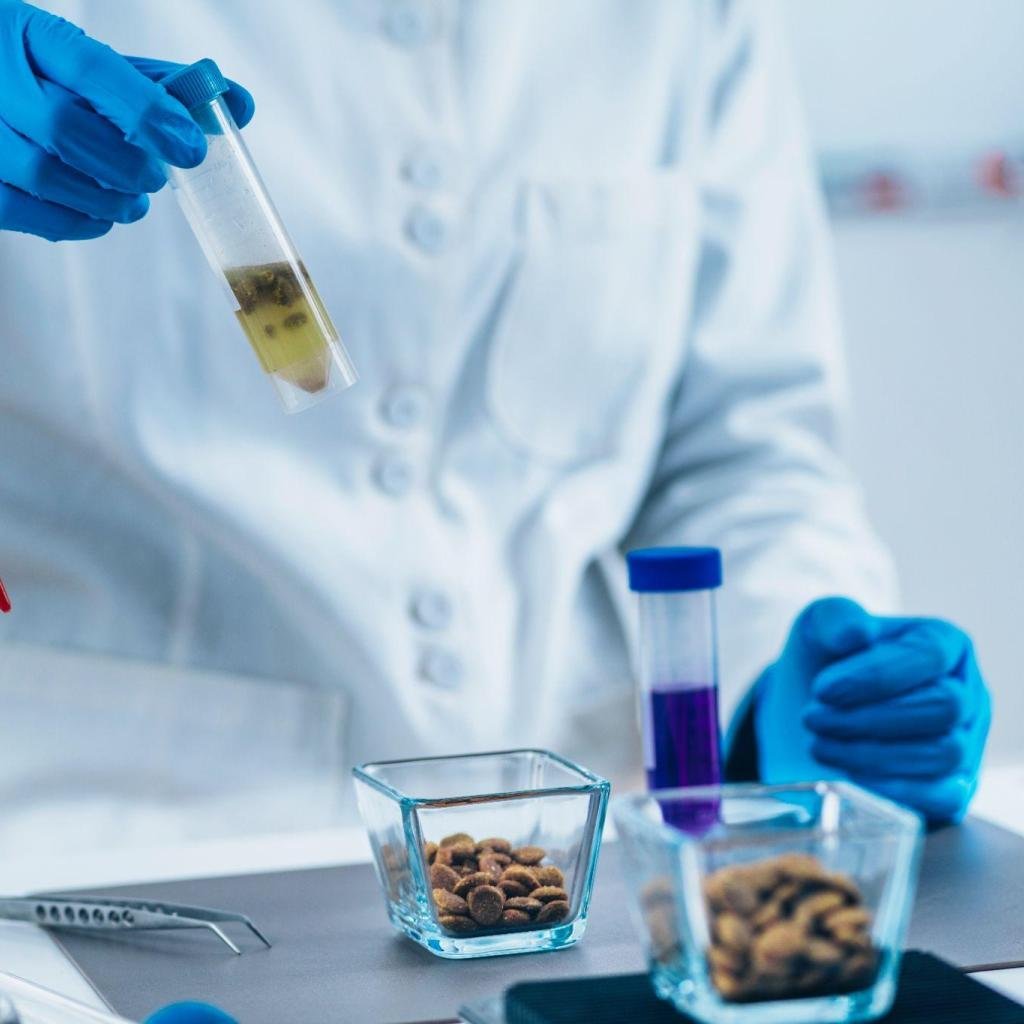
Enzyme ACTIVITY Testing is a complex size
The High Stakes of Feed Efficiency
If enzymes are not active in the feed pellet, animal feed customers can face several issues related to animal performance, health, profitability and sustainability.
Nutrient Availability: Explain how enzymes improve nutrient absorption, reducing waste and environmental pollutants.
Cost Reduction: Highlight that feed is often the highest expense in livestock production, and enzymes help maximize feed value.
Young Animal Growth: Discuss how enzymes support young animals with immature digestive systems, preventing gastrointestinal issues.
Impaired Animal Performance: Describe the effects of reduced nutrient availability on animal growth and health.
Anti-nutritional Factors: Explain how denatured enzymes can lead to the presence of anti-nutritional factors, hindering nutrient utilization.
Economic Loss: Discuss the financial implications of wasted investments in enzymes due to pelleting issues.
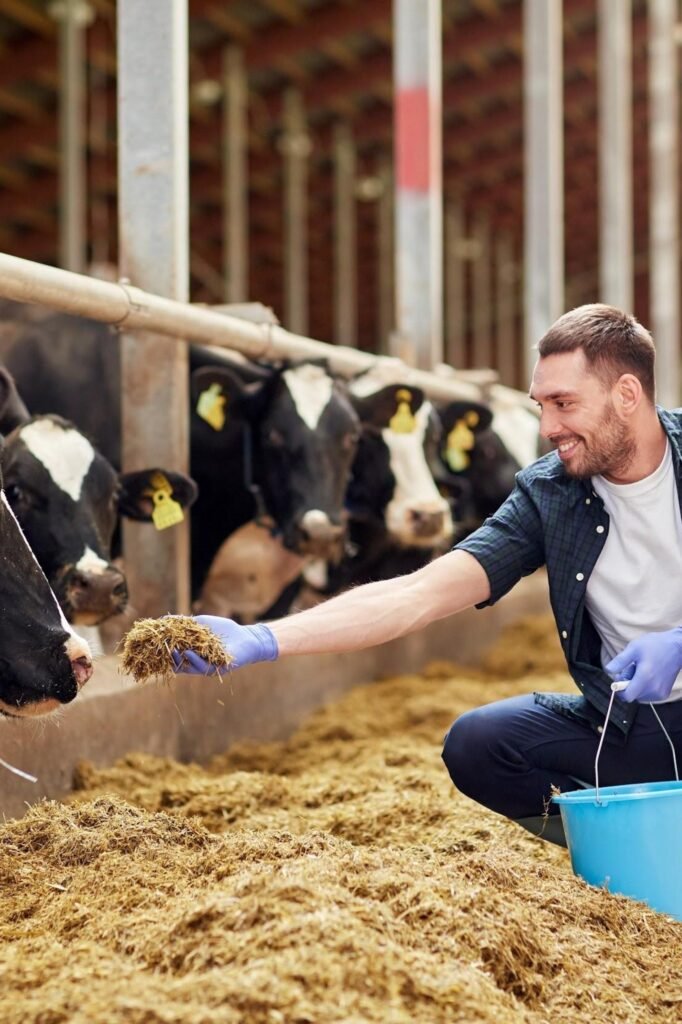
Timely insights for efficiency and profitability of livestock production.
Enzymes Play A Crucial Role In Animal Feed And Bio-Solutions
Many feed ingredients, particularly plant fibers, contain compounds that animals cannot fully digest on their own.
Adding enzymes enhances nutrient availability, reduces feed costs, and minimizes waste by decreasing undigested nutrients and environmental pollutants like ammonia.
However, if enzymes are not stable or active during the pelleting process, the benefits are lost.
This can lead to impaired animal performance, as reduced nutrient availability means animals have less energy and fewer essential nutrients for growth.
Additionally, some enzymes are added to degrade anti-nutritional factors, and if they are denatured, these factors remain active, further hindering nutrient utilization.
Ultimately, if the enzymes are denatured during pelleting, the investment is wasted, and the expected cost savings are not realized.
Understanding the stakes involved in enzyme stability can help farmers maximize the value of their feed and improve overall animal health and productivity.
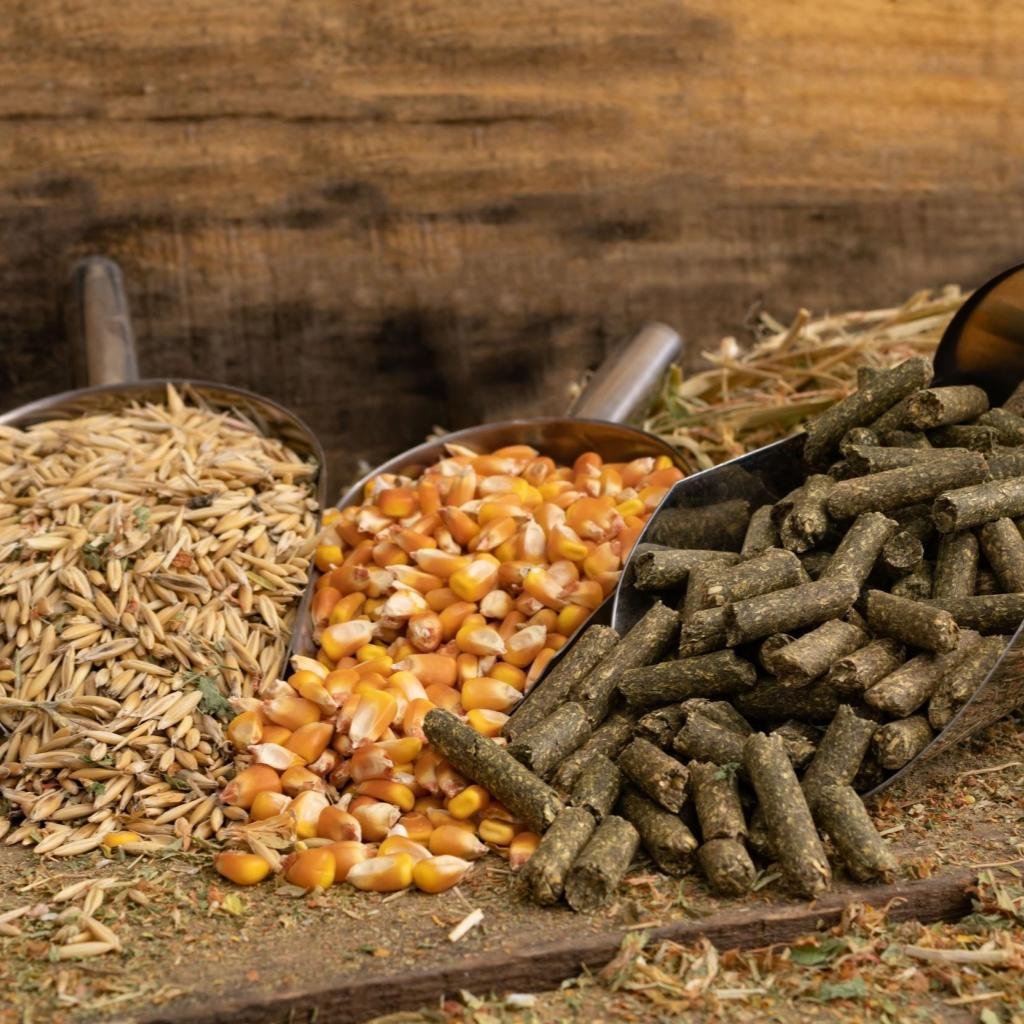
ANIMAL FEED
Key Benefits
Ensures the feed meets quality standards by confirming the enzyme is still active and homogenously mixed into the feed.
Ensuring the presence of required enzyme activity will ensure achievement of the intended animal performance improvements.
Ensuring that the animal receives the intended dose will improve nutrient utilization reducing waste and lowering pollution i.e. N2 in manure
Testing enzyme activities before and after processing conditions used to make animal feed will determine their survival conditions as well as help nutritionists to formulate diets correctly to deliver the right dosage to the animal