
Bio Renewables
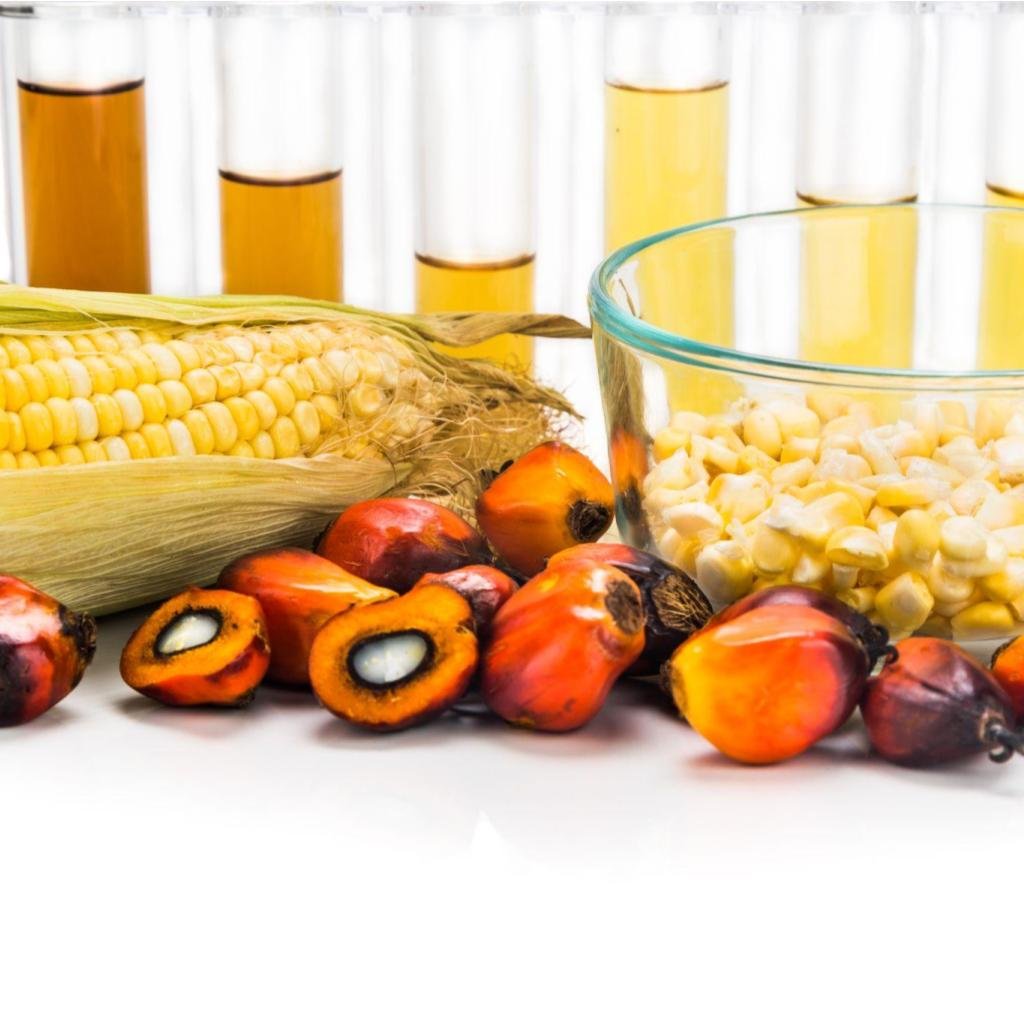

Do you have the optimal efficiency in your production processes?
Don’t Let Raw Material Variability impact your production yield
Unknown raw material enzyme activity levels lead to:
Variable raw material quality that impacts your output.
Inefficient enzyme use leads to wasted resources.
Sustainability goals become harder to achieve.
Lost productivity due to lengthy testing processes.
Difficulty in improving yield without timely enzyme activity data.
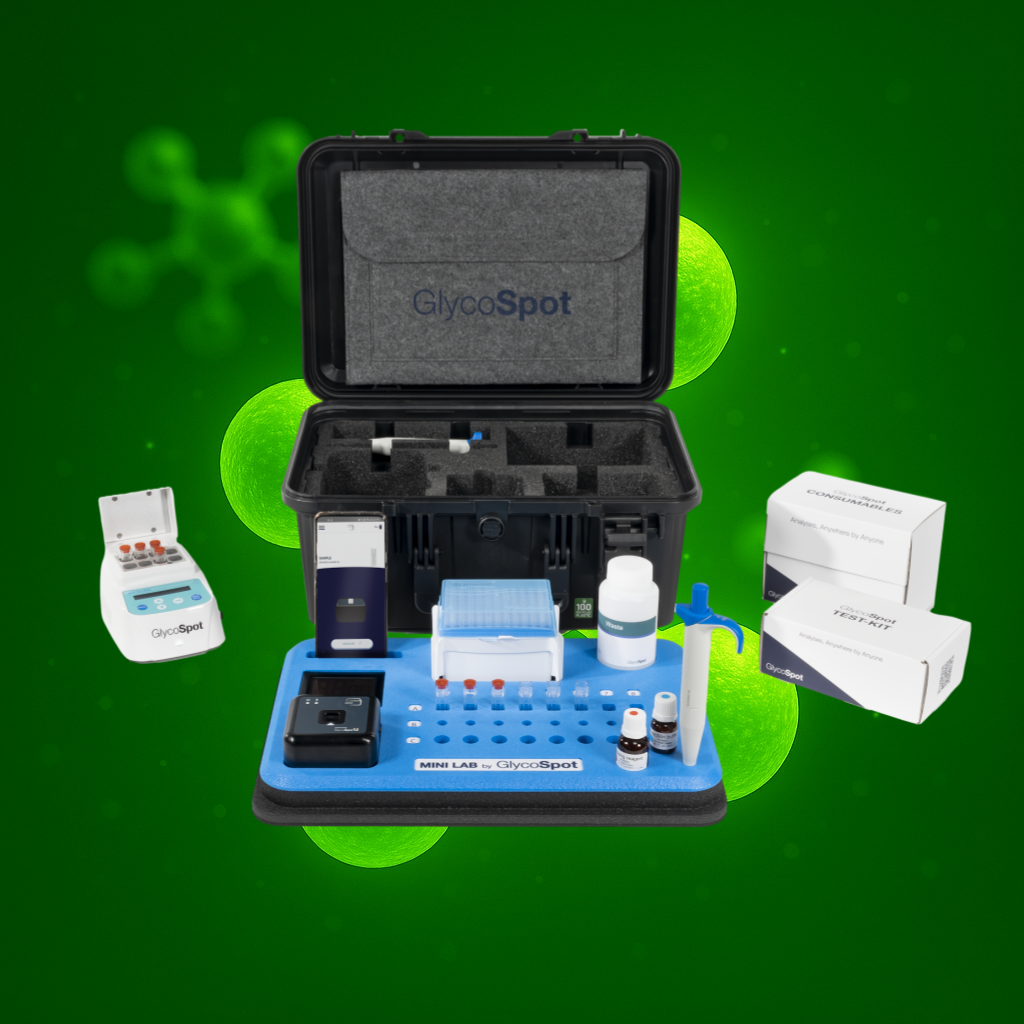
Struggling with variability of endogenous enzyme activity in raw materials ?
We can help you understand this variability.
In the bio-renewables industry, production yield is impacted by varying enzyme activity in raw materials and the long turnaround times of traditional lab testing.
GlycoSpot’s MINI-LAB removes those bottlenecks by giving you accurate enzyme activity results in minutes.
With GlycoSpot’s real-time enzyme activity insights, you will be able to understand the raw material variation and take the appropriate action.
The results is smoother production, greater control, and measurable gains in productivity.
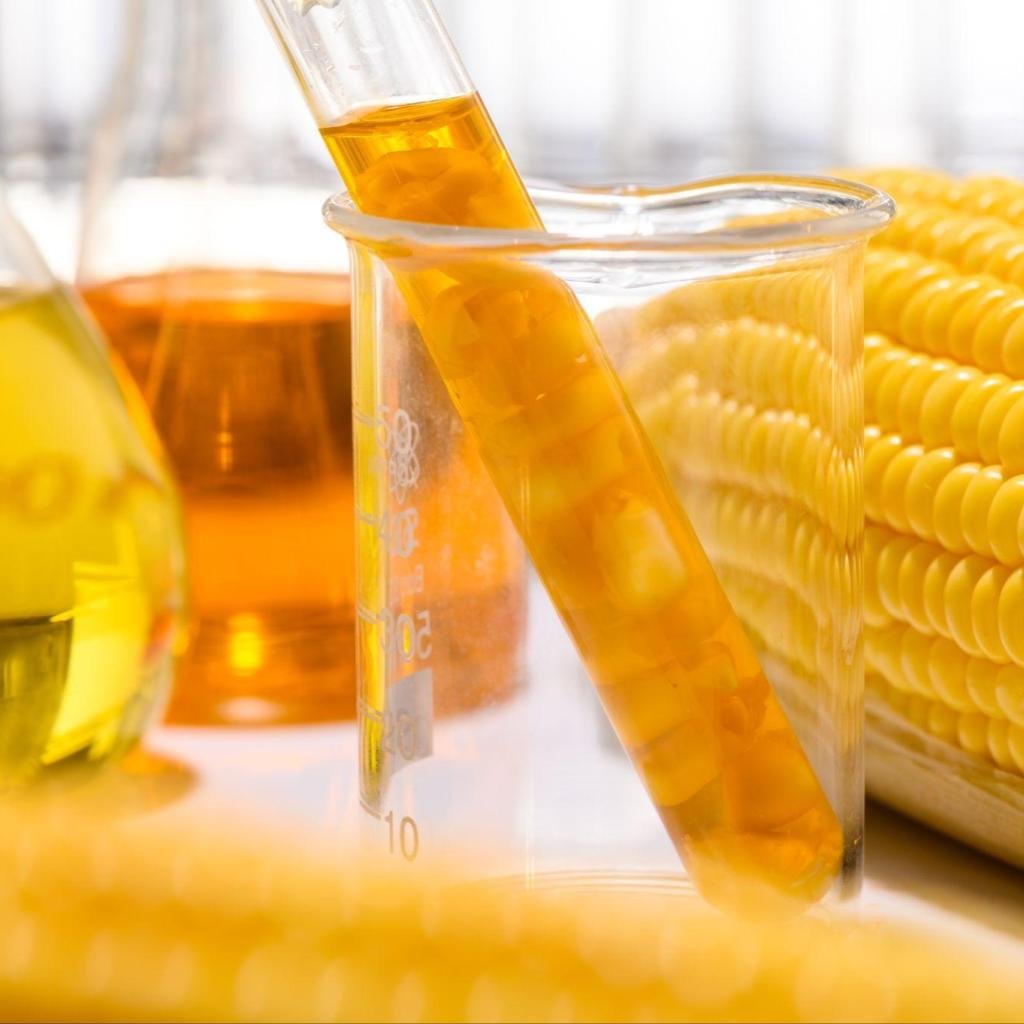
BIO-ETHANOL
Enzyme measurement is essential for optimizing the conversion of biomass into fermentable sugars for ethanol production. By understanding enzyme activity and efficiency, producers can fine-tune fermentation conditions, reduce costs, and achieve higher yields. This leads to more sustainable and profitable bioethanol processes.
Key Benefits
Enhanced fermentation efficiency: Optimize enzyme performance to increase ethanol yields and reduce residual sugars.
Cost-effective conversion: Reduce enzyme loading and processing time through enzyme screening.
Sustainable raw materials: Enable use of agricultural residues and non-food biomass for second-generation ethanol production.
Data-driven optimization: Real-time enzyme analytics support continuous improvement and scalable production processes.
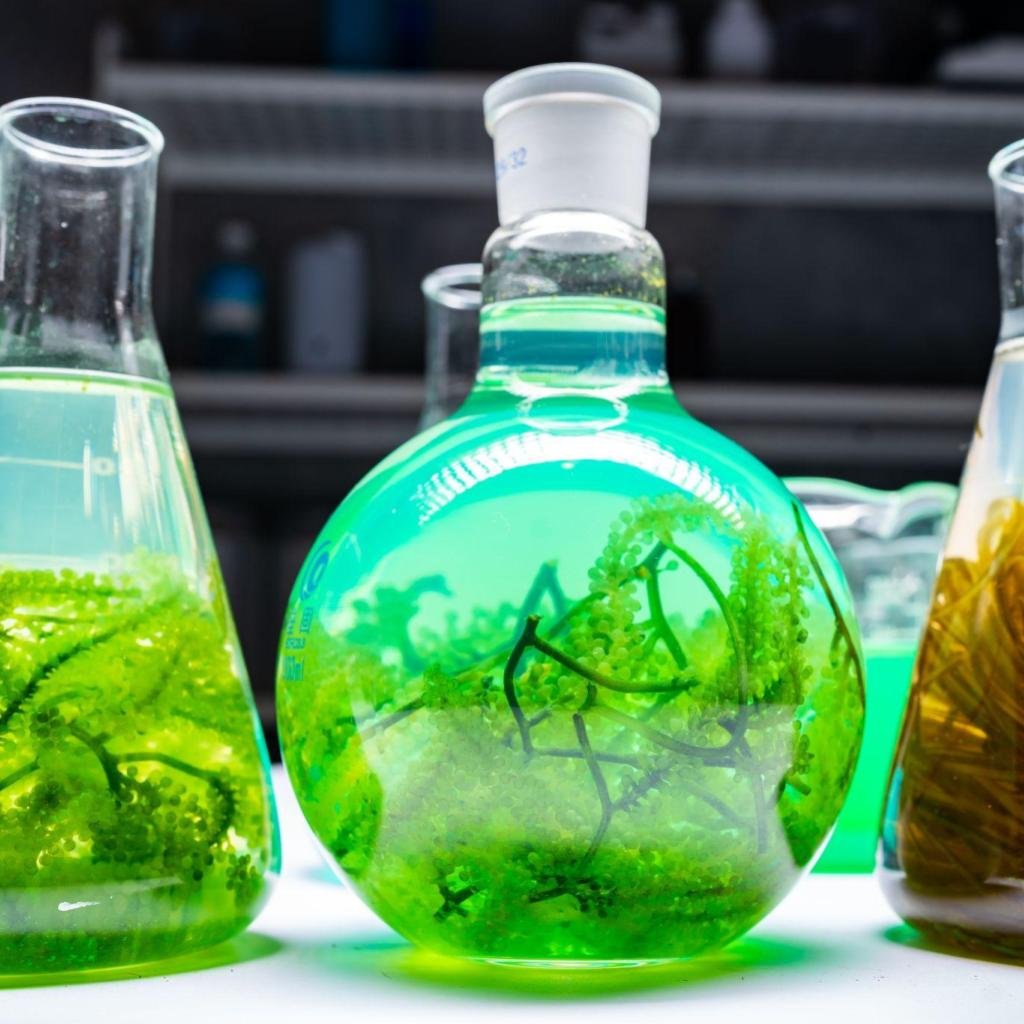
BIO-DIESEL
Key Benefits
Improved transesterification performance by controlling enzyme activity.
Lower production costs: Reduce inorganiccatalyst use and simplify downstream purification through enzyme-based processing.
Feedstock flexibility: Support conversion of diverse oils and waste fats into high-quality biodiesel.
Cleaner, greener process: Minimize chemical waste and energy consumption with enzyme-driven bio-refinery methods.

SUSTAINABLE BIO-MASS
Precise enzyme measurements reveal how well different enzyme blends break down complex biomass materials. This insight helps convert agricultural residues and waste into valuable bio-based products with maximum efficiency. The result is reduced waste, lower energy use, and stronger support for a circular bioeconomy.
Key Benefits
Efficient biomass breakdown: Rapidly evaluate enzyme blends for cellulose, hemicellulose.
Scalable bioprocessing: Support pilot-to-industrial scale enzyme activity screening for consistent, high-throughput results.